Energy Cost & Comfort Model for Winter Use-of Outdoor HVAC in Dubai
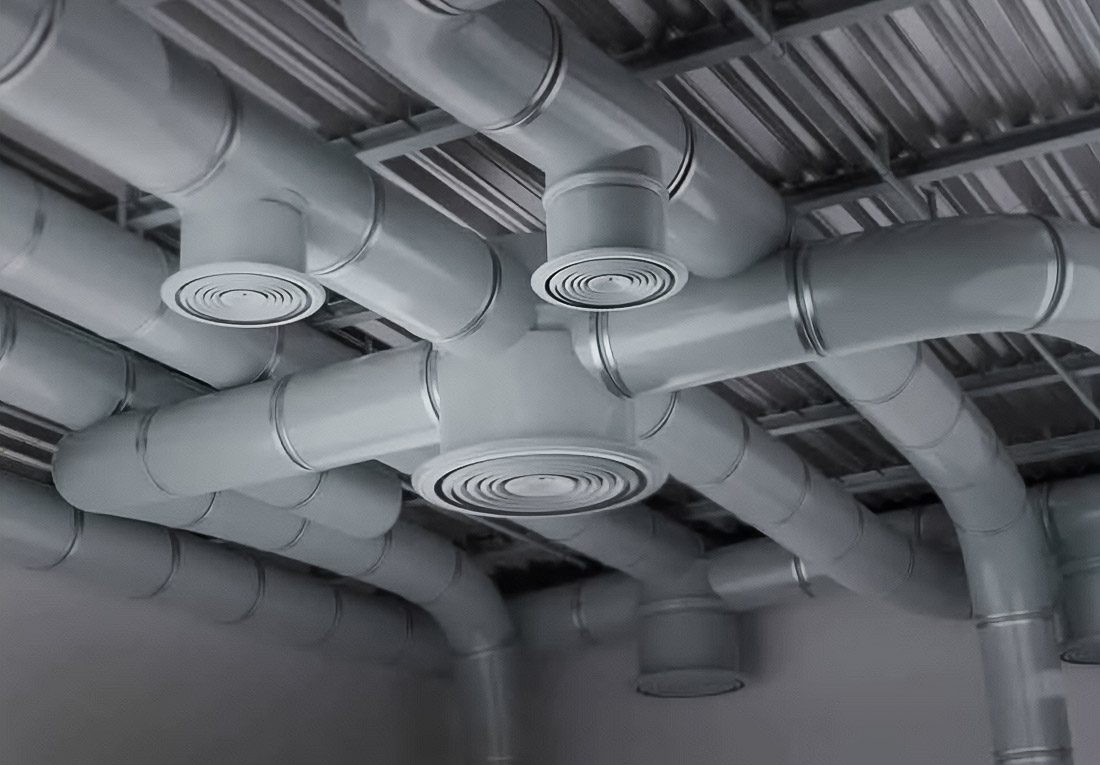
How to prepare an HVAC system for winter in Dubai: energy, comfort and durability. The winter in Dubai is mild, but it still tests the strength of heating and air conditioning. Even when the thermometer rarely drops below twenty degrees, the internal microclimate requires fine tuning. The HVAC system remains the main tool for maintaining heat, clean air and economical energy consumption. Ignoring maintenance means more expenses and less comfort.
Air, Filters, and Quality of Life
Filters are the heart of the entire system, and the air in your home passes through them. In the dry and dusty climate of Dubai, even in a month, the filter turns into a gray sieve of dust. It needs to be cleaned every 30 days and replaced every three months. This discipline prolongs the life of the compressor and increases Indoor Air Quality noticeably and for a long time. Dirty filters overload fans, disrupt circulation, and increase power consumption.
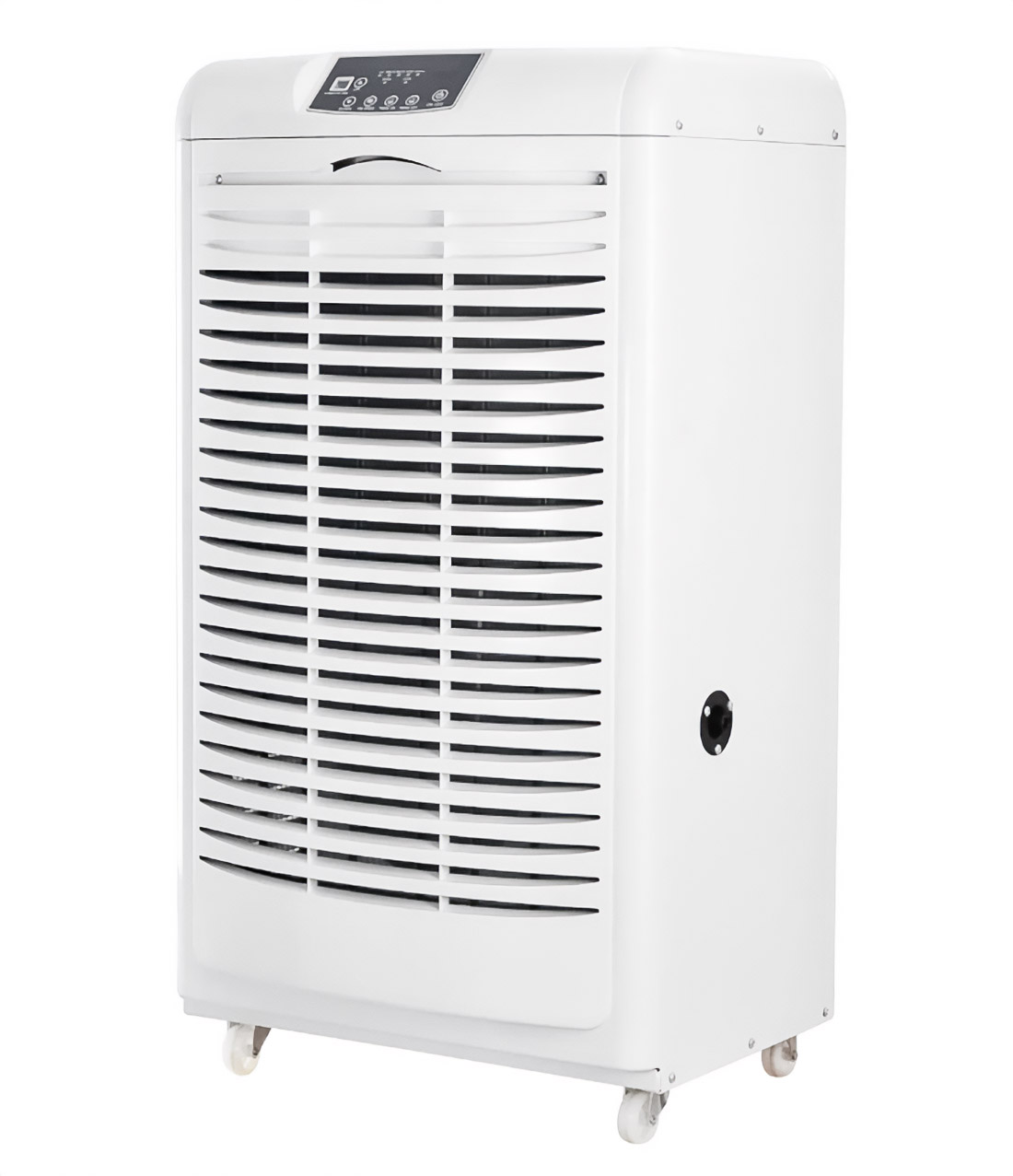
Sand and dust in the ducts create up to 30% efficiency losses. Checking channels and grilles at least twice a year, in spring and autumn, is mandatory for stable operation. Regular cleaning returns up to 15% of energy and protects the system from overload. In the winter months, the air is drier than usual, and the body reacts first. A humidifier with a range of 30-50% humidity makes the house cozy and reduces the likelihood of colds. Even a compact model in the bedroom changes your well-being noticeably and quickly.
Thermostat, Insulation and Heat Control

In winter, the thermostat becomes your main ally and economist. The optimal temperature for Dubai is 68°F, about 20°C, for a daily stay. When no one is at home, the temperature can be lowered by 10°F without compromising comfort. This strategy reduces bills by about 10% with a stable schedule. The smart thermostat automates this mode and is able to reduce annual consumption by 15% under the correct scenarios.
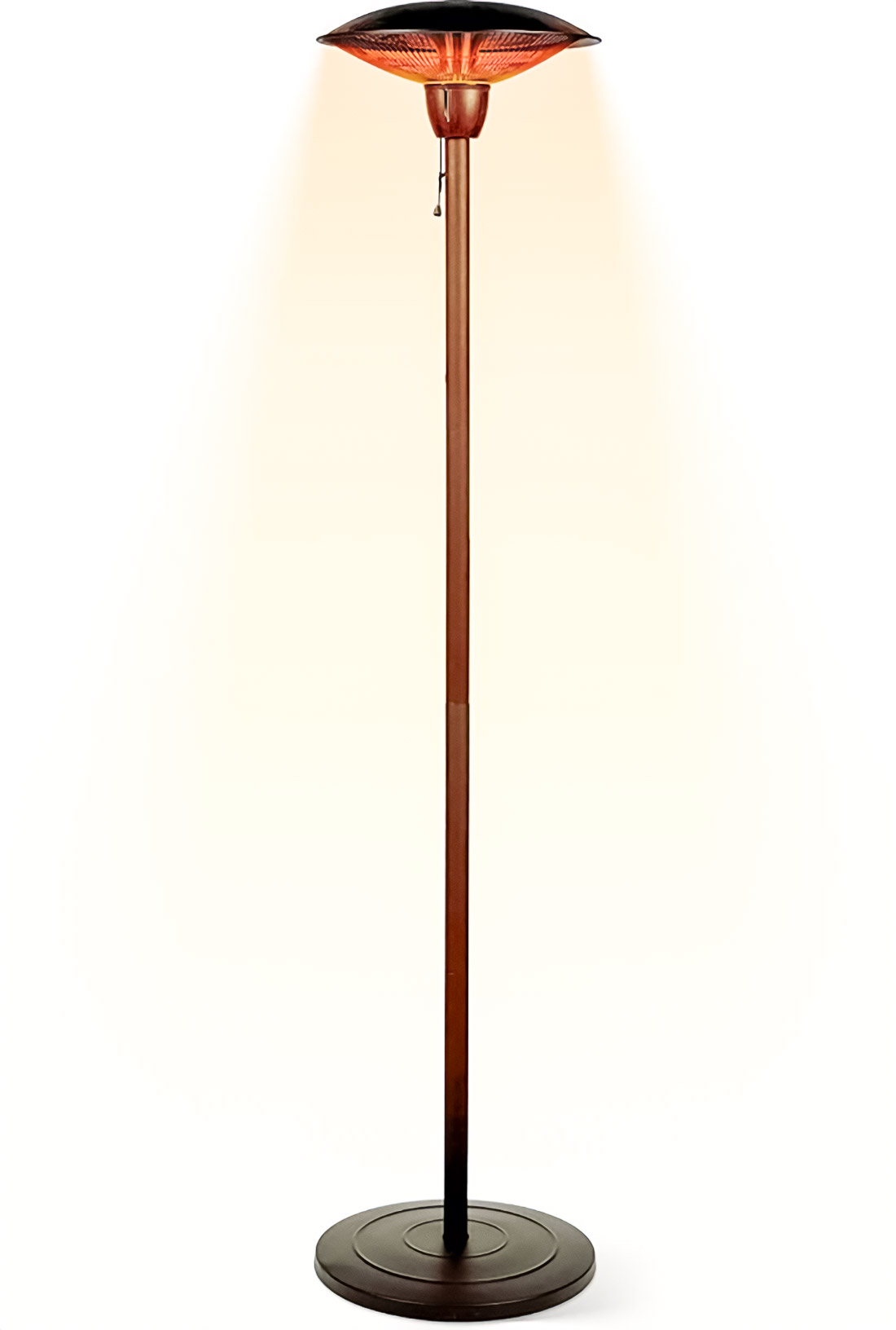
One thermostat will not save a poorly insulated house. The heat goes into the walls and through the windows faster than you think. Check the seals, seal up the cracks, and pay attention to the door frames and window openings. Unnoticeable leaks make the system run longer and consume kilowatts in extra cycles. It is useful for villa residents to look into the attic and into the walls: it is there that up to a third of the heat is most often lost. Air circulation is a hidden reserve of comfort. Make sure that furniture and curtains do not block the grilles, especially near portable air conditioner units. The uniform flow reduces the load on the fan motor and equalizes the temperature in the rooms.
Outdoor Unit, Maintenance and Service life
The outdoor unit is the first to encounter sand, dust and humid air from the sea winds. In autumn, clean the case of leaves, dust and debris, leaving no deposits. Save at least two feet of free space around for normal circulation. If a drain is leaking over the unit, fix the problem immediately and thoroughly. Moisture and corrosion reduce the resource of nodes faster than any overload.
Checking the heat pump before winter is not a formality, but a reasonable insurance policy. A system that was idle in the summer may hide malfunctions and failures. Professional technicians recommend testing the pump three times before the start of the season to be sure. Modern inverter models powered by aerothermal or thermodynamic energy consume 30-50% less electricity with comparable power. This margin of efficiency is felt already on the first bill for light and service.
Scheduled maintenance should not be postponed until the first cold nights. Diagnostics twice a year extends the service life of the equipment to 15-20 years under normal load. Specialists check the refrigerant level, the condition of the compressor, the operation of the fans and the cleanliness of the filters. Minor problems are fixed before they develop into serious and expensive breakdowns. Regularity is more important here than any one-time upgrade, especially in conditions of dust and wind.
A properly configured HVAC system in winter is a habit that pays off every day. Clean filters reduce air flow resistance and protect the motors. The adjusted thermostat keeps a stable 20°C and saves kilowatts effortlessly. Insulated windows and doors keep out heat at night and preserve silence. The well-maintained outdoor unit does not rust from accidental moisture and breathes freely. These steps are simple, but they give you more than you think: lower costs, cleaner air, and confidence in technology for years to come. The winter in Dubai is mild, but only a prepared house is truly cozy.

I am an award-winning freelance writer who specializes in finance topics. With over ten years of experience.