What Is DTF Printing? A 2026 Guide for Beginners
DTF printing is an image transfer technique that relies on an intermediate film to achieve precise and consistent results. Instead of applying the design directly onto fabric, the image is first created on a PET film and only then transferred to the final product using heat and pressure. This process may appear multi-step at first glance, but in reality it ensures stability, high quality, and exceptional flexibility across different materials. That’s why direct to film printing is increasingly favored for custom textiles, small production runs, and designs with complex graphics.
How Does The DTF Printing Process Work?
Any DTF printing begins with the preparation of the design. High-resolution files are used, most often 300 dpi, with a transparent background. This reduces the density of the layer and improves the feel of the fabric when worn.
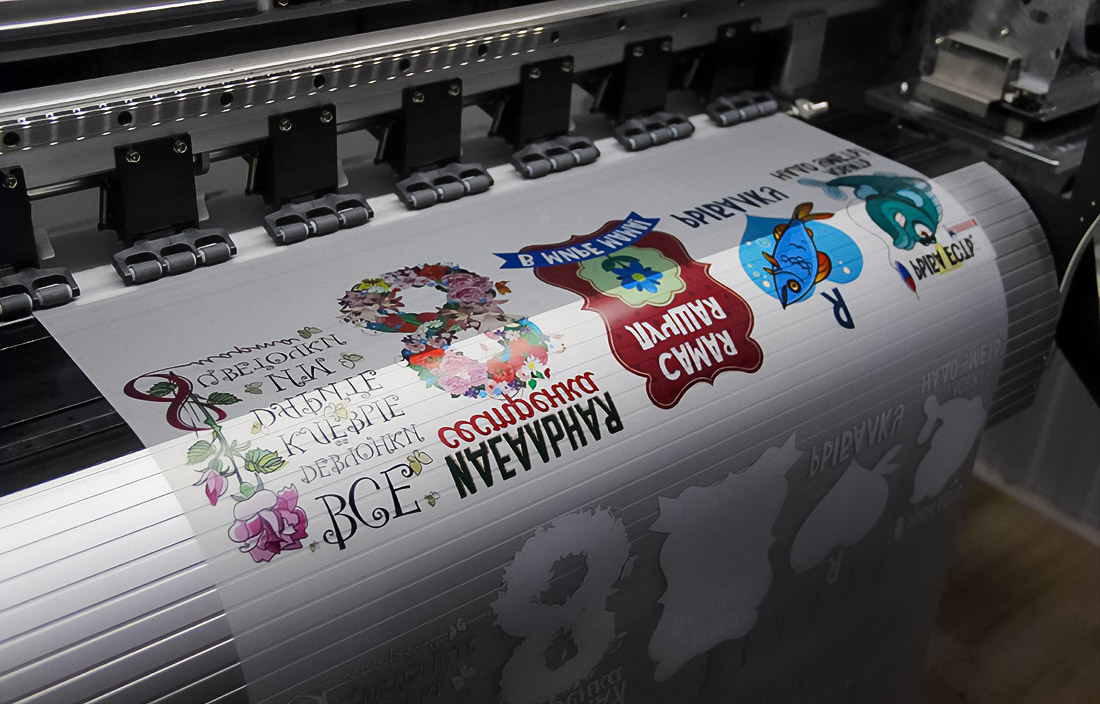
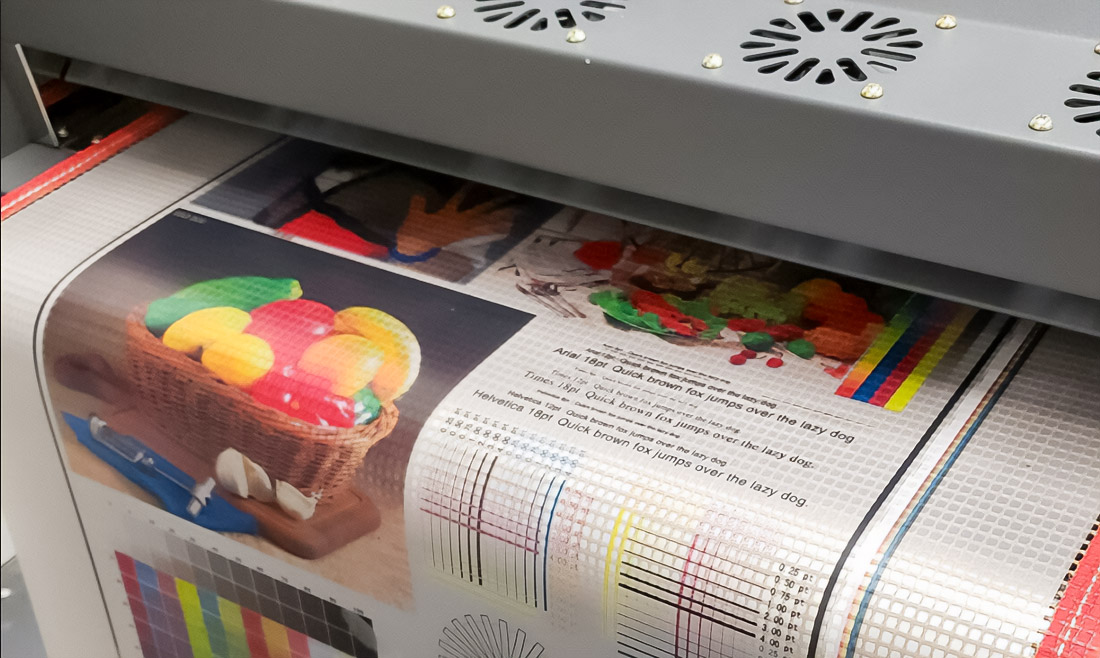
The printing is done by an inkjet printer with CMYK + white ink support. The white layer forms the white underbase necessary for working with dark fabrics. Without it, the color loses its saturation and readability. Color, layers, and density are managed through RIP software.
After printing, the image remains wet. At this point, hot-melt adhesive powder is applied to the surface. It only sticks to areas with ink. Excess powder is removed. This is followed by curing heating, in which the adhesive layer partially melts and binds to the paint.
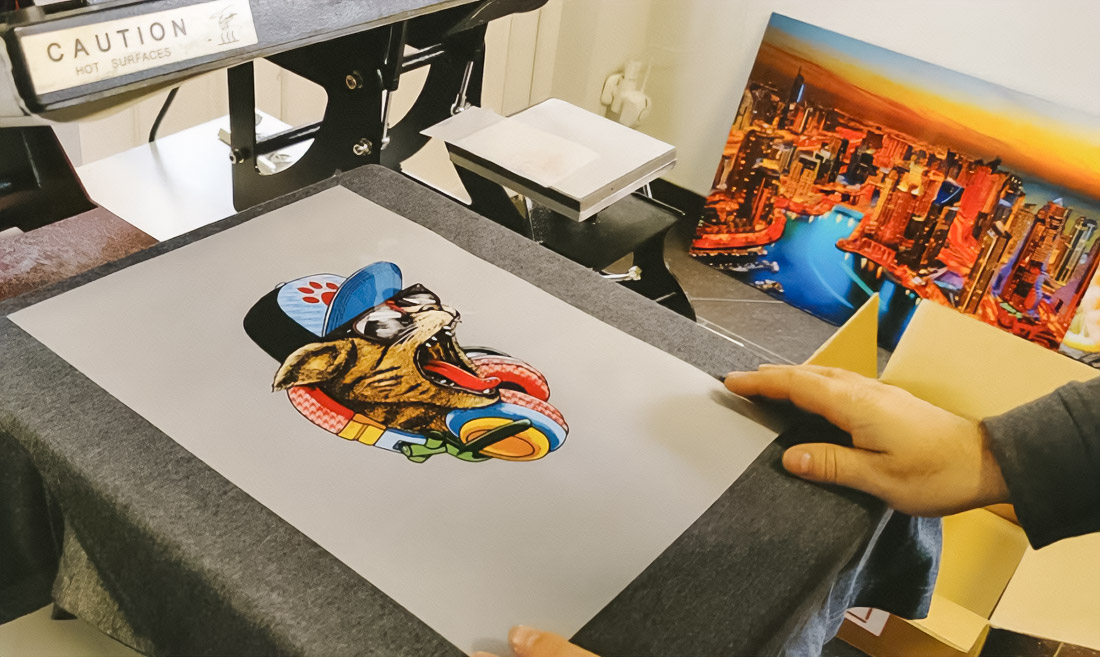
Next, the film transfer stage begins. The film is placed on the product, which is preheated. The transfer is performed in a heat press at a temperature of about 165 ° C and a time of 15–20 seconds. These parameters are critical. An error in temperature directly affects fabric adhesion and print durability.
Materials, Compatibility, And Limitations
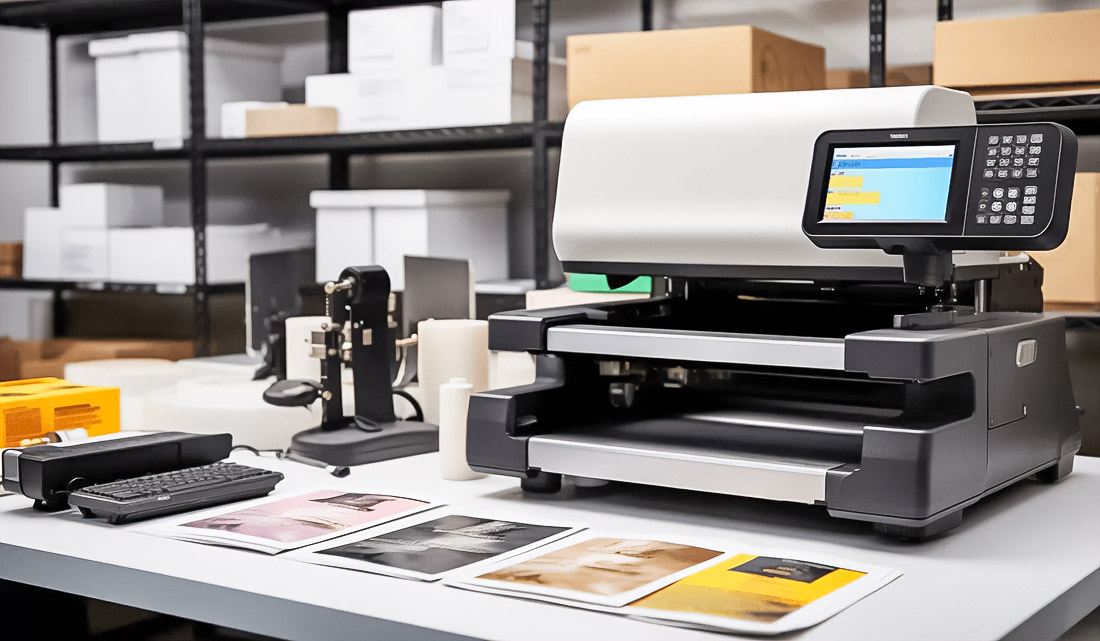
One of the strengths of DTF printing is its broad substrate compatibility. The method is suitable for cotton, polyester, blends, nylon, leather and a number of non-textile surfaces. Pre-chemical treatment of the fabric is not required, which saves time and simplifies workflow.
DTF printing works well on light and dark materials. It allows you to reproduce fine details, complex gradients and saturated colors. The minimum correctly transmitted element is about 0.5 mm, which is important for logos and small text.
However, the technology has limitations. Because the image forms a layer on top of the fabric, large solid fills can be felt by touch. To improve the breathable prints, negative space, halftones and a more compact design placement are used.
Durability, Care, And Comparison With Other Methods
A high-quality DTF print can withstand 50–100 washes without noticeable fading, cracking or peeling. This result is achieved only with the right parameters: uniform adhesive powder, correct curing and accurate pressure in the heat press.
Compared to direct-to-garment, DTF does not require fabric pretreatment and is suitable for a larger number of materials. Unlike sublimation, it is not limited to polyester and works on cotton and blended fabrics. When compared with screen printing, DTF wins in small and medium print runs. There is no need to create stencils. Setup time is minimal. Production efficiency is higher with frequent design changes.
Practical Nuances Of Operation
DTF printing requires regular maintenance. White ink is sensitive to downtime, so it is important to control ink flow and perform cleaning to avoid nozzle clogging. Ventilation is also necessary, as vapors are released when the adhesive layer is heated.
When set up correctly, the process remains predictable. The quality is consistently repeated. This makes DTF printing a convenient tool for custom production and tasks where detail accuracy, color vibrancy and stable results are important. DTF printing is not universal. But in its range of applications, it remains one of the most flexible and technically balanced image transfer technologies.

I am an award-winning freelance writer who specializes in finance topics. With over ten years of experience.