
Skills Every Future Dentist in the UAE Needs
Career guide
What it really takes to become a dentist in the UAE
Dentistry in the Emirates has grown fast. New private clinics open in Dubai and Abu Dhabi every month, and public hospitals in Sharjah and Al Ain are expanding their oral health departments. Behind every good chair-side moment sits a long list of skills, some clinical, some human. If you are thinking about the profession, here is an honest look at what you actually need to build.
Five core skills every future dentist should build
- A full medical foundation. Anatomy, physiology, pharmacology and pathology are not optional extras. The mouth is connected to the rest of the body, and a good dentist reads that link.
- Diagnostic thinking. Reading X-rays, blood work and clinical signs to find the real cause of pain, not just treat what shows on the surface.
- Fine motor control. Every movement inside the mouth is small, confined and unforgiving. Steady hands are trained, not born.
- Command of tools and materials. Handpieces, composites, digital scanners and CAD/CAM systems all change quickly. You need to keep learning.
- Patient communication. Explaining a root canal to a nervous 12 year old in Dubai and to a corporate executive in DIFC are two different conversations. Both need care.
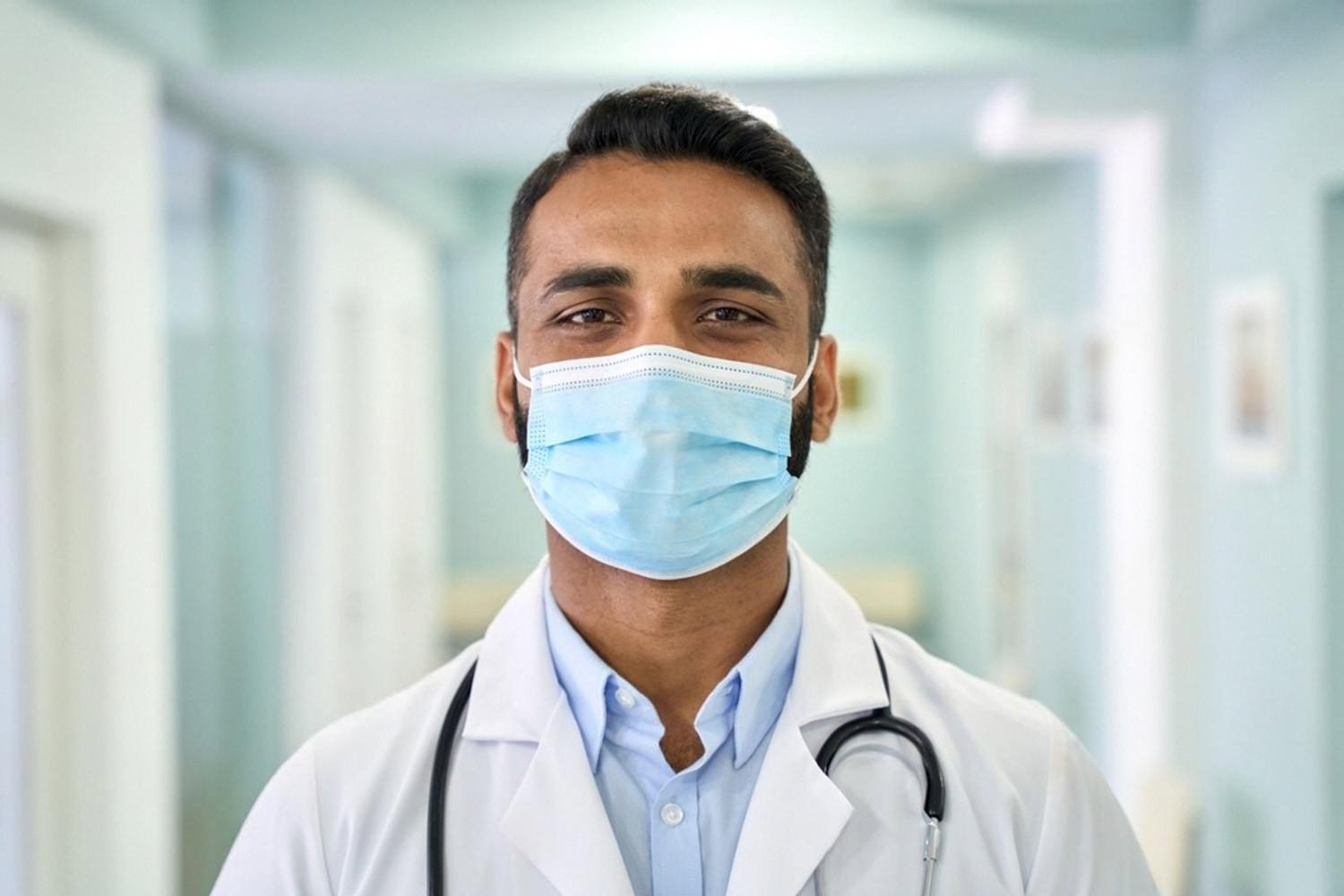
A medical education comes first
The clinical foundation shapes every decision at the chair.
Foundation
Full medical training is non-negotiable
Dentistry is a branch of medicine, not a separate craft. A future dentist needs the same grounding in human anatomy, systemic disease and pharmacology as any other clinician. Diabetes changes how gums heal. Blood thinners change how you plan an extraction. Autoimmune conditions can show up first as ulcers on the tongue.
In the UAE, the path usually runs through a five to six year Bachelor of Dental Surgery programme, followed by internship and licensing exams administered by the Ministry of Health and Prevention or the local health authority (DHA in Dubai, DoH in Abu Dhabi). Applicants often compare accredited dental courses offered at universities in the UAE before deciding where to enrol, since curriculum, clinical hours and hospital partnerships vary a lot between institutions.
Diagnosis
Reading the mouth like a detective
Patients rarely arrive with a clean label on their problem. Someone walks in with a dull ache in the lower right jaw, and it could be a cracked molar, an abscess, sinus pressure, or referred pain from a completely different tooth. The skill is in narrowing it down calmly.
That means being confident with panoramic and periapical radiographs, understanding CBCT scans when a case gets complex, and knowing when a blood test or a referral to a physician is the right next step. Oral cancer screening is another quiet but important part of the job, especially given WHO data on the global burden of oral disease. A dentist who spots an unusual lesion early can genuinely save a life.
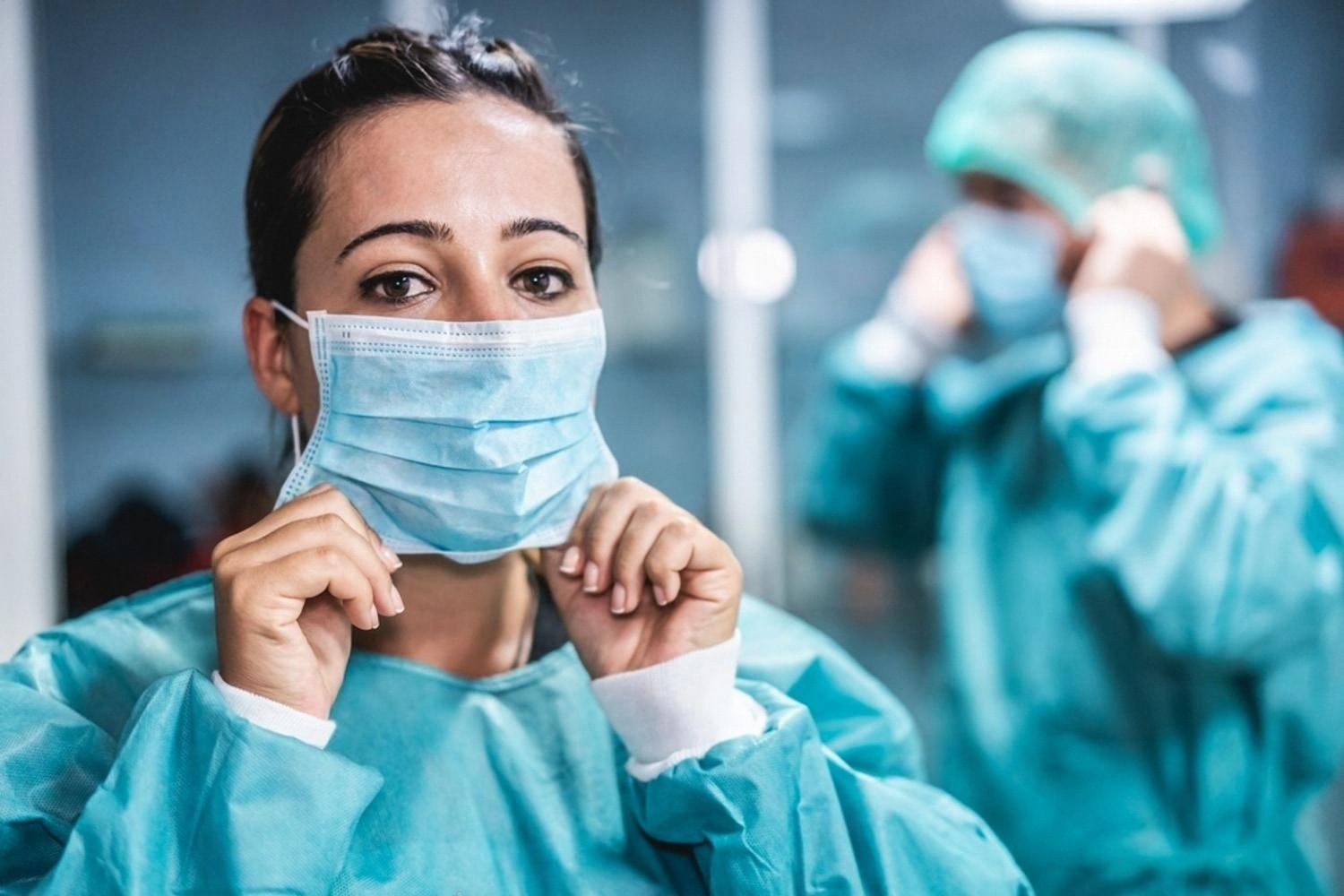
Precision in a small space
Working inside the mouth demands calm, trained hands.
Technique
Steady hands and mastery of the tools
The working field of a dentist is a few square centimetres, wet, moving, and often uncomfortable for the patient. Every rotation of a bur, every placement of composite, every suture in a surgical flap has to be deliberate. Fine motor control is built through hundreds of hours in pre-clinical labs on phantom heads before a student touches a real patient.
Beyond the hands, there is the equipment. Modern UAE clinics run digital impressions, intraoral cameras, 3D-printed surgical guides and laser tools. A future dentist should be comfortable switching between these systems and honest about the limits of each one.
The human side
Communication is a clinical skill
The UAE is one of the most multicultural places to practise dentistry in the world. On any given morning a clinician in Dubai Marina might see an Emirati family, a British expat, a Filipino nurse and a Russian tourist. Explaining a treatment plan clearly, in plain language, sometimes across a translator, is part of the daily work.
Empathy matters too. A lot of patients arrive anxious. Some have had bad experiences years ago and carry that memory into the chair. The best dentists slow down, describe what they are about to do, and check in during the procedure. That soft skill is what turns a one-off patient into a family that stays with the practice for a decade.
Technology in dentistry moves fast. What was cutting edge in 2015, digital scanning, same-day crowns, clear aligners, is now baseline in most well-run UAE clinics. Whatever you learn in your final year of university will be partly outdated within five years of graduation.
Continuing professional development is not just a licence requirement, it is the only way to keep giving patients honest, current care. Conferences like AEEDC Dubai draw specialists from all over the region every year, and they are a good place to see where the field is heading.
Business sense
Whether you run your own clinic or work in a group practice, understanding scheduling, insurance and treatment planning economics protects you and your patients.
Ethics
Do not over-treat. Do not recommend veneers to a patient who needs periodontal therapy. The UAE health authorities take this seriously, and so should you.
Physical stamina
You will spend most of your career slightly hunched over a chair. Good posture, exercise and ergonomic loupes matter more than new graduates realise.
A warning worth taking seriously: shortcuts in dentistry compound. A rushed diagnosis becomes a failed restoration, which becomes a lost tooth, which becomes an implant the patient did not need. If you are drawn to the profession only for the income it can produce in the Gulf, you will burn out fast, and your patients will feel it first. Get the skills right, and the career takes care of itself.
Frequently asked questions
How long does it take to become a licensed dentist in the UAE?
The undergraduate dental degree in the UAE typically runs five to six years, followed by a one year internship. After that, candidates sit licensing exams with the relevant health authority (MOHAP, DHA or DoH) before practising independently. Specialisations such as orthodontics or oral surgery add another three to five years on top.
Do I need to speak Arabic to work as a dentist in the UAE?
Arabic is not mandatory, and most private clinics operate in English. That said, being able to greet patients and handle basic conversation in Arabic goes a long way with Emirati and regional patients, and some public sector roles do prefer bilingual staff.
What is the difference between manual dexterity and fine motor control in dentistry?
Manual dexterity is the general ability to use your hands well. Fine motor control is the more specific skill of making tiny, precise movements under magnification, often with mirrors reversing your view. Dentistry demands the second one, and it is trained through years of laboratory practice long before real patients are involved.
Are foreign dental degrees recognised in the UAE?
Yes, but they go through an equivalency and evaluation process. Graduates from countries like the UK, Ireland, Australia, Canada, Egypt, Jordan and India commonly practise in the UAE after passing the local licensing exam. Requirements can change, so check the current rules on the MOHAP or DHA website before you commit to a move.
What personal traits suit dentistry the most?
Patience, precision, empathy and comfort with routine. A lot of dental work is repetitive and detail-oriented. If you enjoy solving small technical problems, working with your hands, and interacting with people one on one throughout the day, the profession usually fits well.
Is dentistry a good career choice in the UAE right now?
Demand is strong. The population is growing, oral health awareness has increased, and cosmetic dentistry is a large and steady market, especially in Dubai. Competition is real though, particularly in saturated areas, so building a genuine skill set and a good reputation matters more than ever.
I am an award-winning freelance writer who specializes in finance topics. With over ten years of experience.